Tuesday, August 10, 2010

ARICLE 11: INDIVIDUAL DIFFERENCES


Every individual is unique. We are unique because of our individual differences. Two of the factors that contributes to these differences are the language and culture. Every society has different language and culture, no matter how simple it maybe. Through the study of individual differences, we are able to know, understand and accept each other.

Monday, August 9, 2010

ARTICLE10:THE IMPORTANCE OF DEDICATION


For me, dedication is very important. This is one of the factor for an individual to success in all terms. through this, nothing is impossibel to do and fulfill. This will serve as our strnghtto go,strive, and succeed in every dreams that we have in life. If you lack of this, then for sure, you will be defeated easily.No one can defeat you if you have this aspect, the "dedication"

ARTICLE9:TEACHING AND LEARNING PROCESS


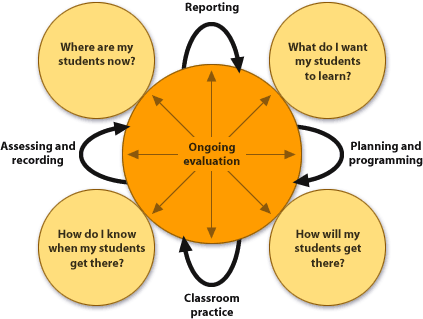
Teaching and learning is a process that includes many variables. These variables interact as learners work toward their goals and incorporate new knowledge, behaviors, and skills that add to their range of learning experiences. Consideration of these factors and the ways in which they interact provide an organic view of the teaching-learning process that is often called a “systems approach”. This approach also provides a way of looking at ourselves, the environments in which we teach, and the environments around us. Using this perspective, we can better examine the process and better design the process itself.

Friday, August 6, 2010

ARTICLE8:THE FOUR ELEMENTS OF CURRICULUM


  • aims,goals and objectives-includes activities that are to be done
  • subject matter/content-these refers to the subject content that are to be taught
  • learning experiences-refers to the insA tructional strategies,resources and activities that ill be employ.
  • evaluation approaches-these are the methods and instruments that will be use to assess the results of the curriculum.
  • curriculum is composed of elements that strenghten the knowledge and understanding of the nature, concepts and purposes of the curriculum. These are the major components of curriculum;

ARTICLE7:THE ADVANTAGES AND DISADVANTAGES OF COMPUTER

Nowadays, one of the great technology that is existing from todays generation is "computer". Like other technologies, it has benefits. And if we talk about benefits, the advantages and disadvantages is present. There are lots of disadvantages of computer, and some of this are the following;1.)it destroy your social life and interactions with human if you do not maintain the balance2.)it may affect to the destruction of your age sight due to radiation3.0it may damage your studies and life4.)the way it distracts and can deviate our thoughts and activities towards unproductive activities and the last6.)it could cause violation of privacy, impact on labor force, health risks, and impact on environment.
If there are disadvantages, there are also advantages. Ans some of these are the following;1.)it helps you automate various tasks that you cannot do manually2.)it helps you organize data and information in a better way3.)it has much more computing and calculating power than ordinary human4.)it may help your work to be a lot easier5.)it has speed,storage,reliability,consistency and communications and last is6.)it helps you find useful information using the internet.

ARTICLE6:WHO ARE THE STAKEHOLDERS OF THE CURRICULUM?


There are different stakeholders of a school curriculum. These stakeholders are the persons who put into action and give life to the curriculum. These stakeholders shape the school curriculum implementation. These are the following stakeholders of curriculum:

  • LEARNERS AS THE CENTER OF THE CURRICULUM
  • TEACHERS AS CURRICULUM DEVELOPERS AND IMPLEMENTERS
  • CURRICULUM MANAGERS AND ADMINISTRATORS
  • PARENTS AS SUPPORTERS TO THE CURRICULUM
  • COMMUNITY MEMBERS AS CURRICULUM RESOURCES
  • OTHERS STAKEHOLDERS IN CURRICULUM IMPLEMENTATION
These following people are the one who composes curriculum.

ARTICLE5:LEARNING IOS AN ACTIVE PROCESS


Learning is not a spectacular sport. Students do not learn much just by sitting in class listening to teachers, memorizing, prepackaged assignments, and spitting out answers. They must talk about what they are learning, write about it, relate it to the past experiences, apply it to their daily lives. They must make what they learn part of themselves.

Students learn more if they actively engaged with the material they are studying.